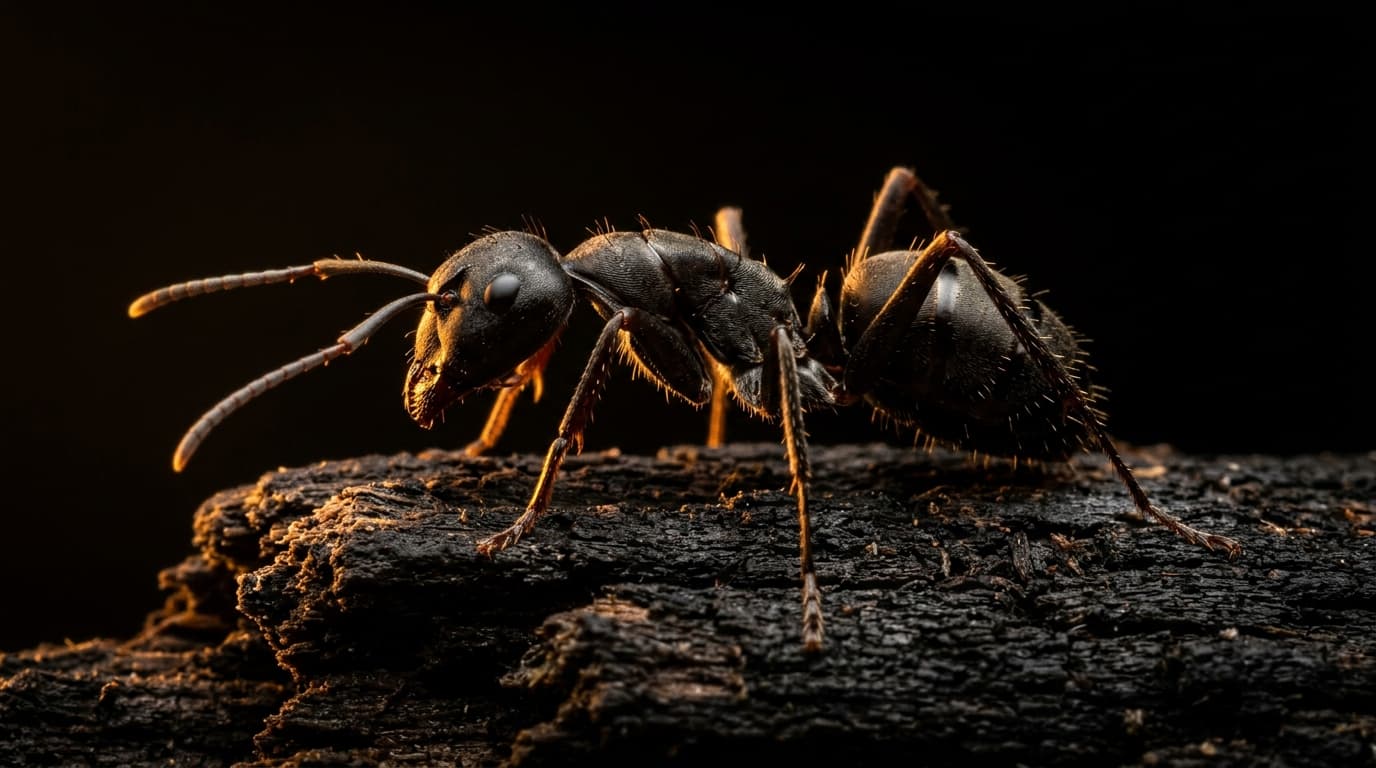
Oregon's #1 structural pest. Large black or red-black ants that excavate galleries through moist, damaged wood — silently destroying your home's structure from the inside.
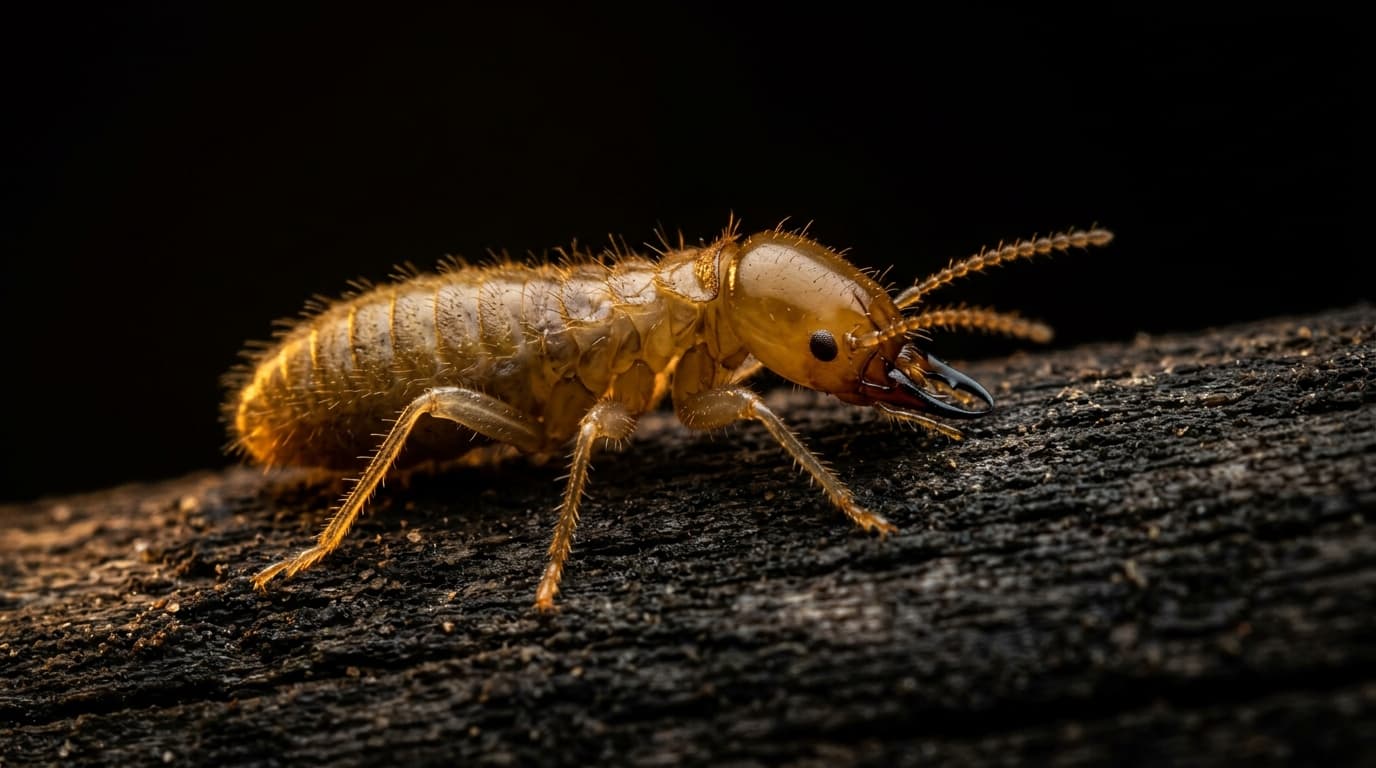
Dampwood and subterranean termites are both active in Oregon. They work 24/7, silently consuming structural wood. Often undetected for years until severe damage appears.
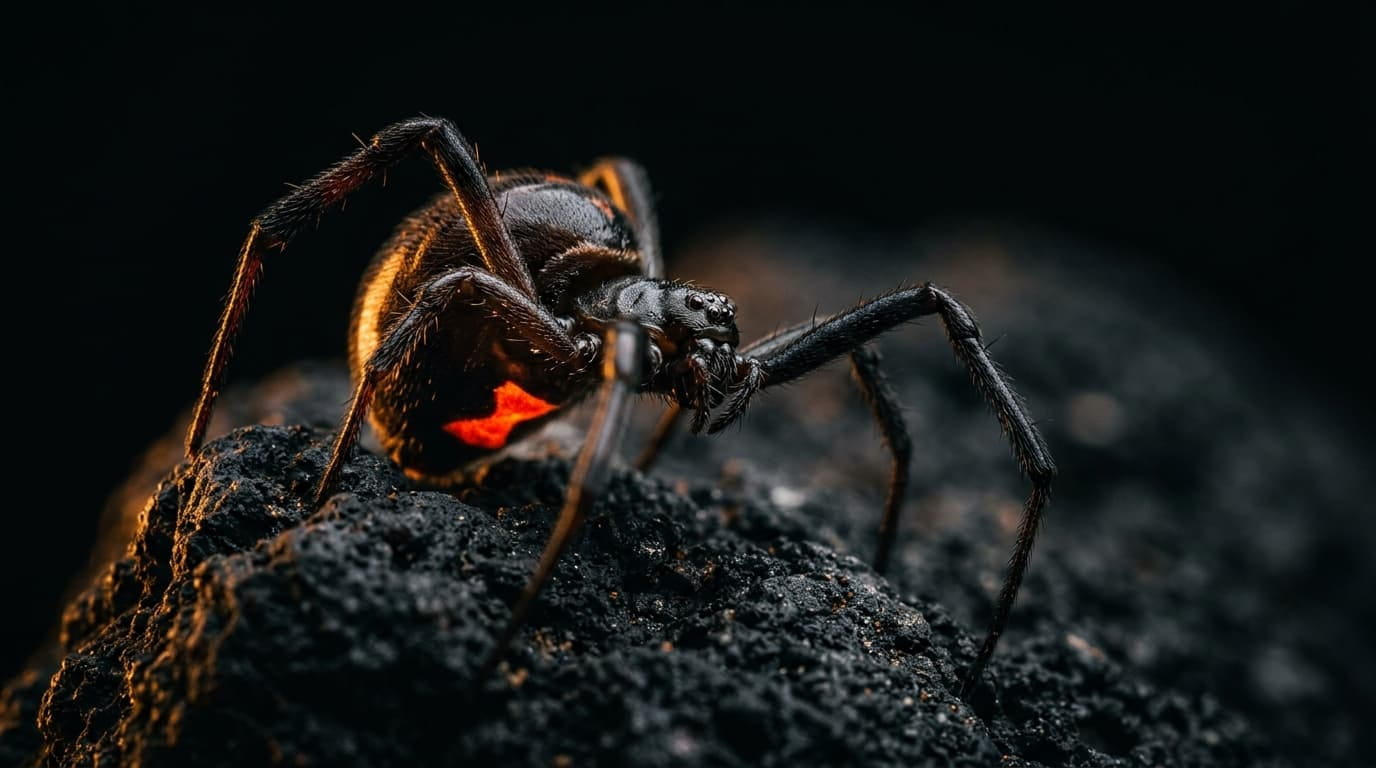
Oregon's most venomous spider. Identified by the iconic red hourglass on the shiny black abdomen. Prefers dark, undisturbed areas like garages, woodpiles, and crawl spaces.
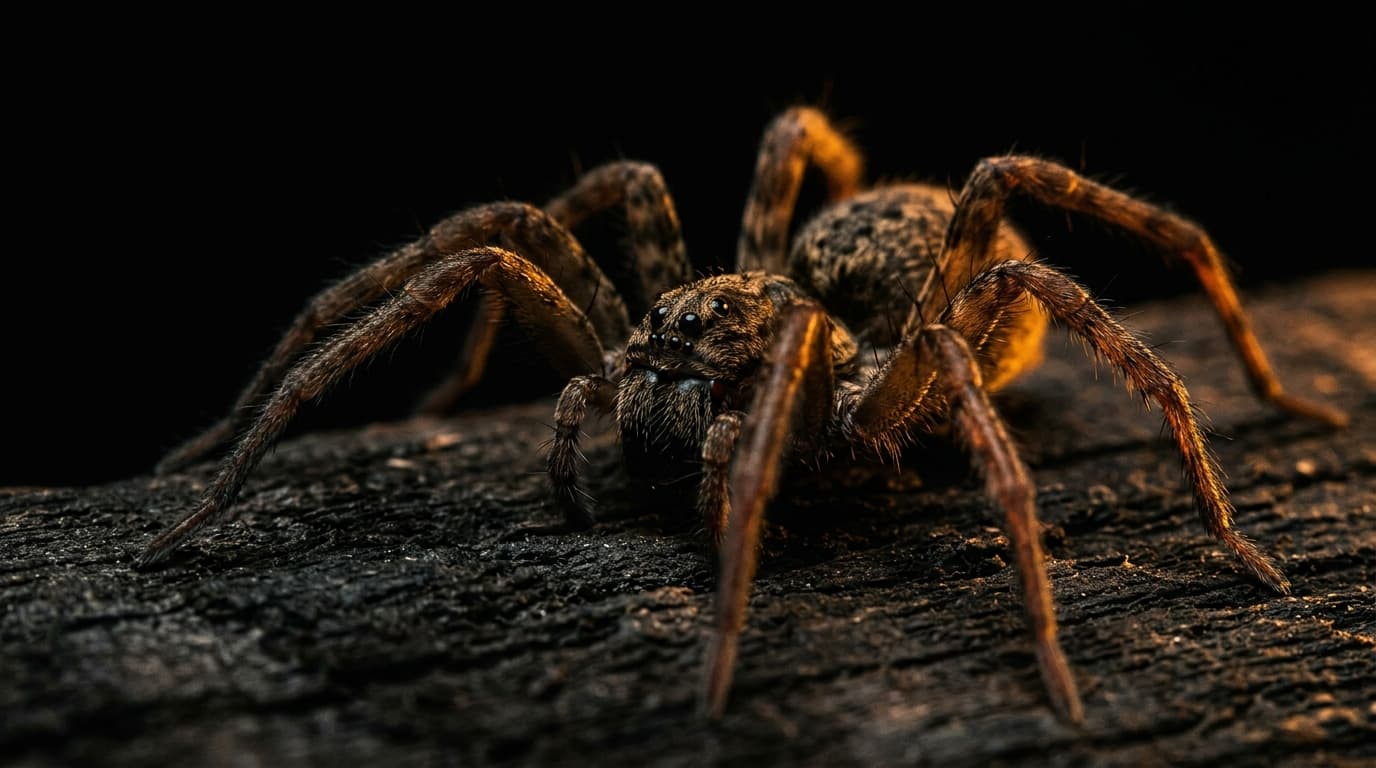
Common in Pacific Northwest homes. Often mistaken for brown recluse. Builds funnel-shaped webs at ground level. Bite can cause localized tissue damage in rare cases.
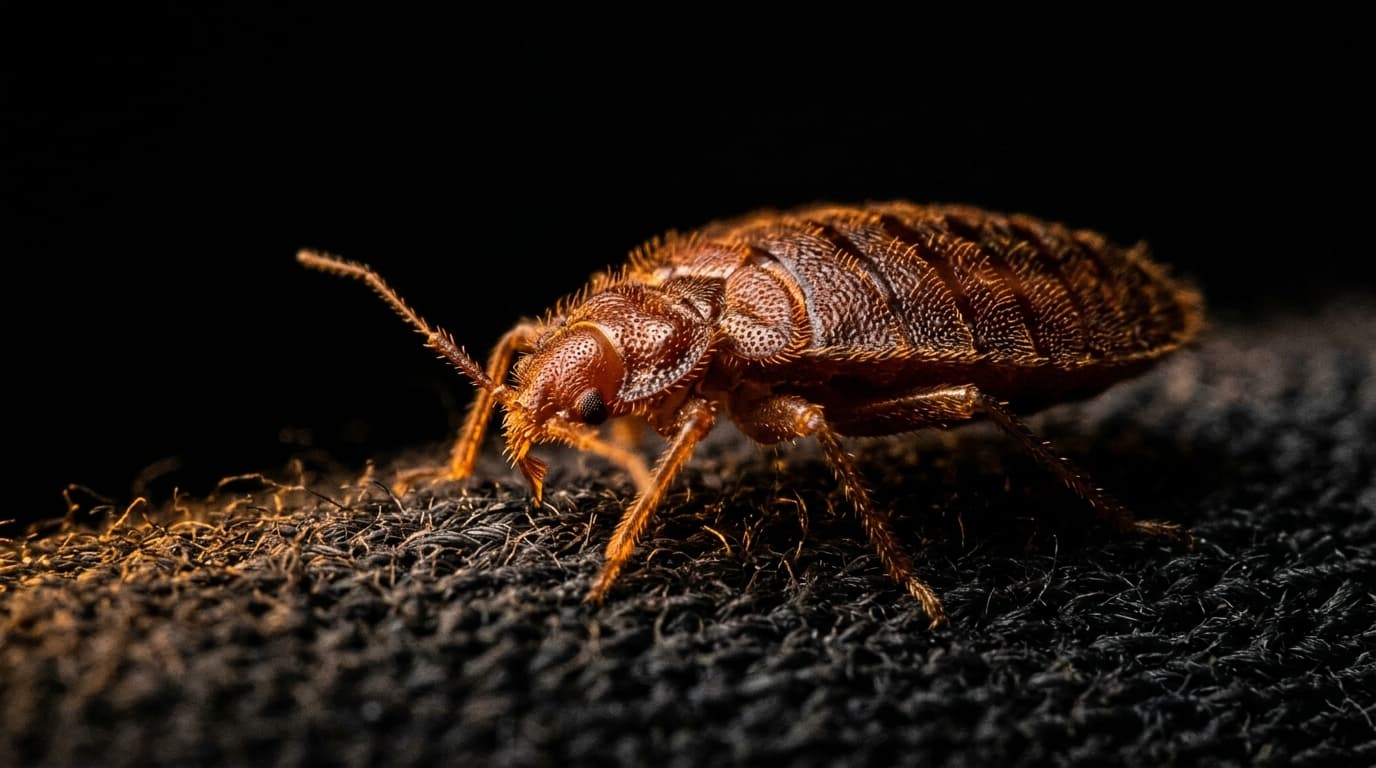
Masters of hiding, feeding only at night. Infestations spread rapidly and are notoriously difficult to eliminate without professional treatment. Cases are rising across Oregon.
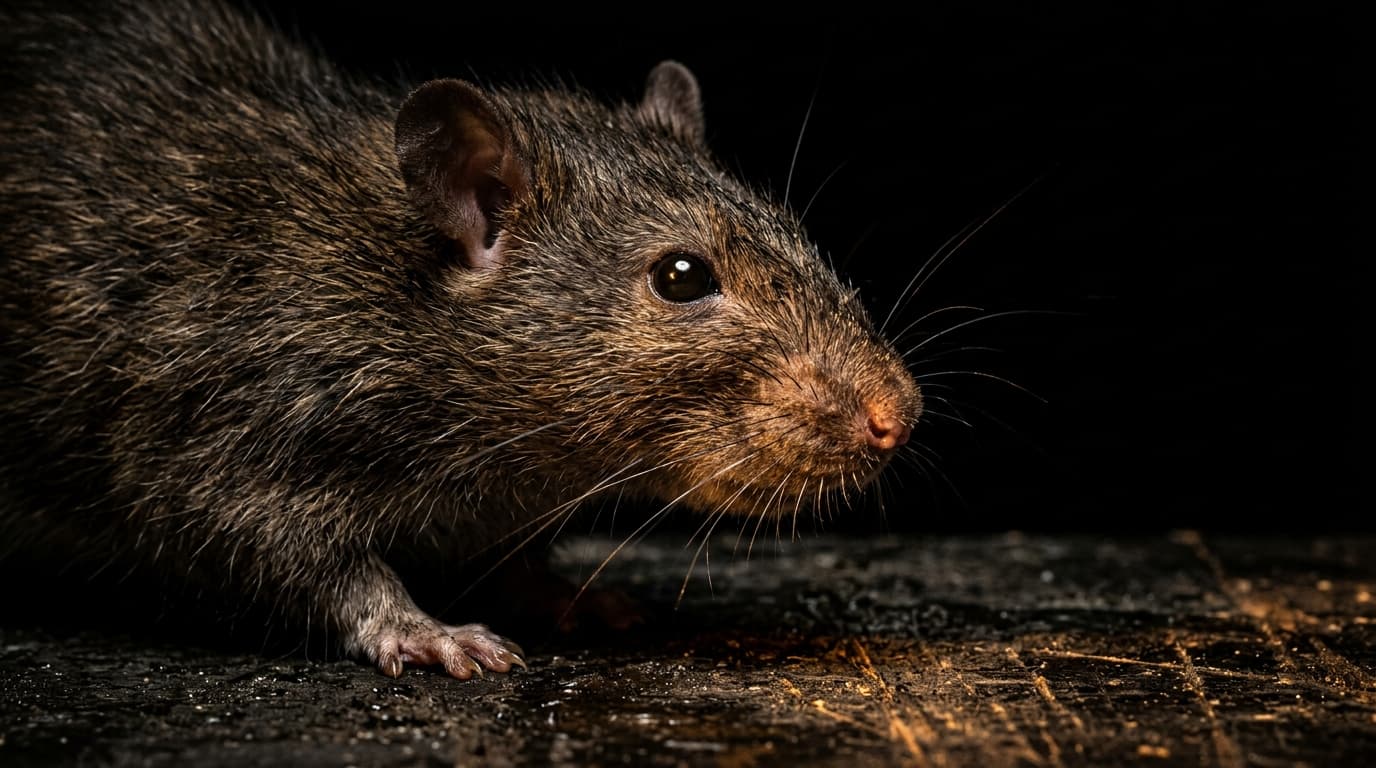
Oregon's most destructive rodent. Burrows underground, gnaws through virtually anything including wiring and pipes. Carries leptospirosis, salmonella, and other pathogens.
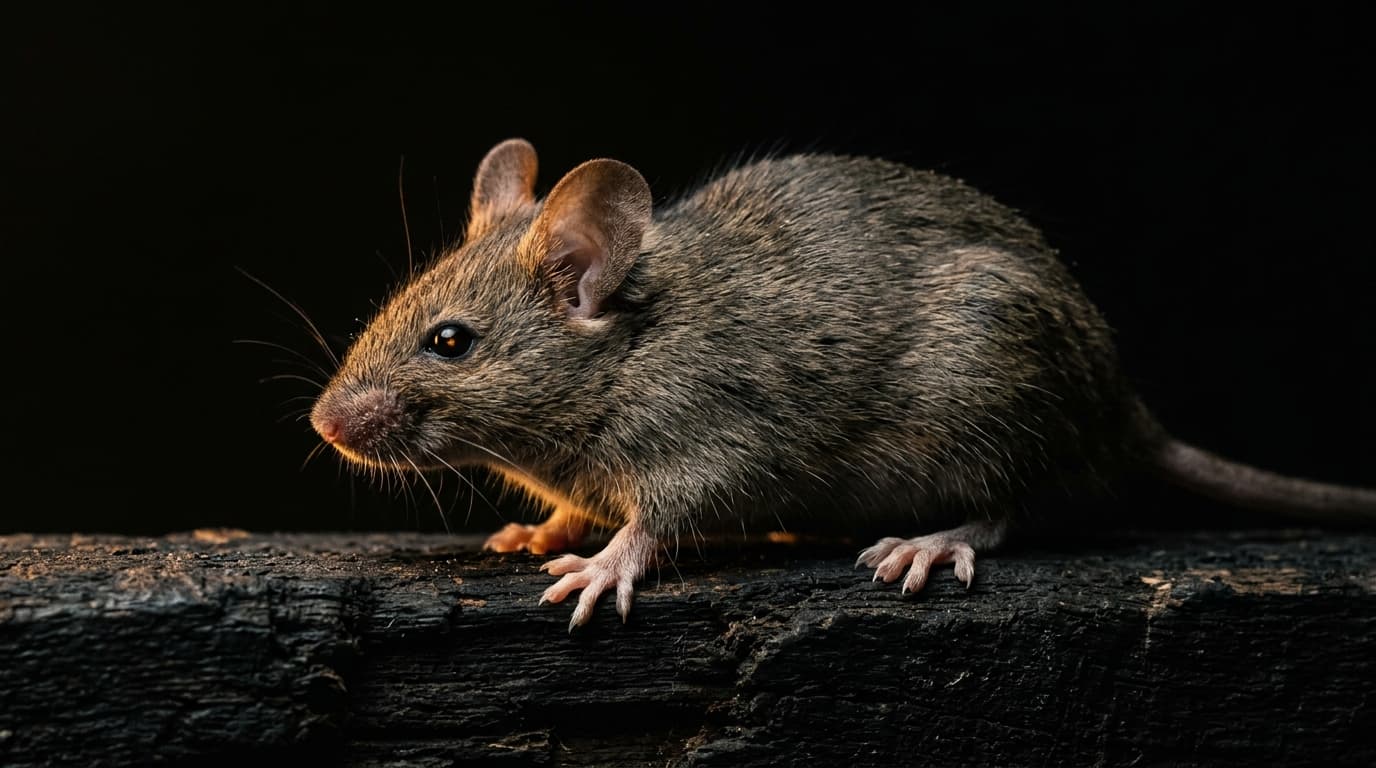
Can squeeze through a gap the size of a dime. Contaminates food, chews wiring, and breeds at astonishing rates — one pair can produce 200+ offspring in a single year.
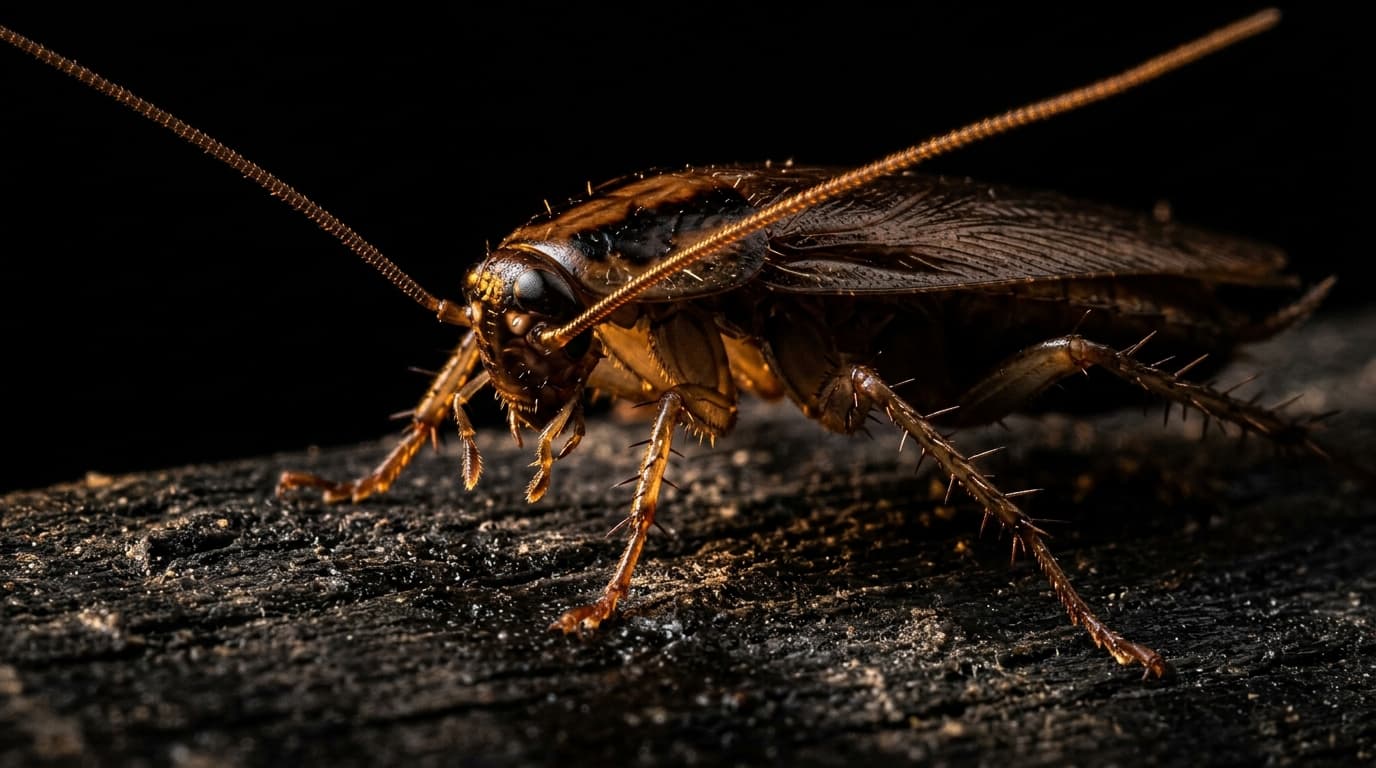
One of the most resilient pests known. Spreads 33+ types of bacteria, triggers asthma and allergies, and can survive a month without food. Seeing one means there are dozens more hidden.
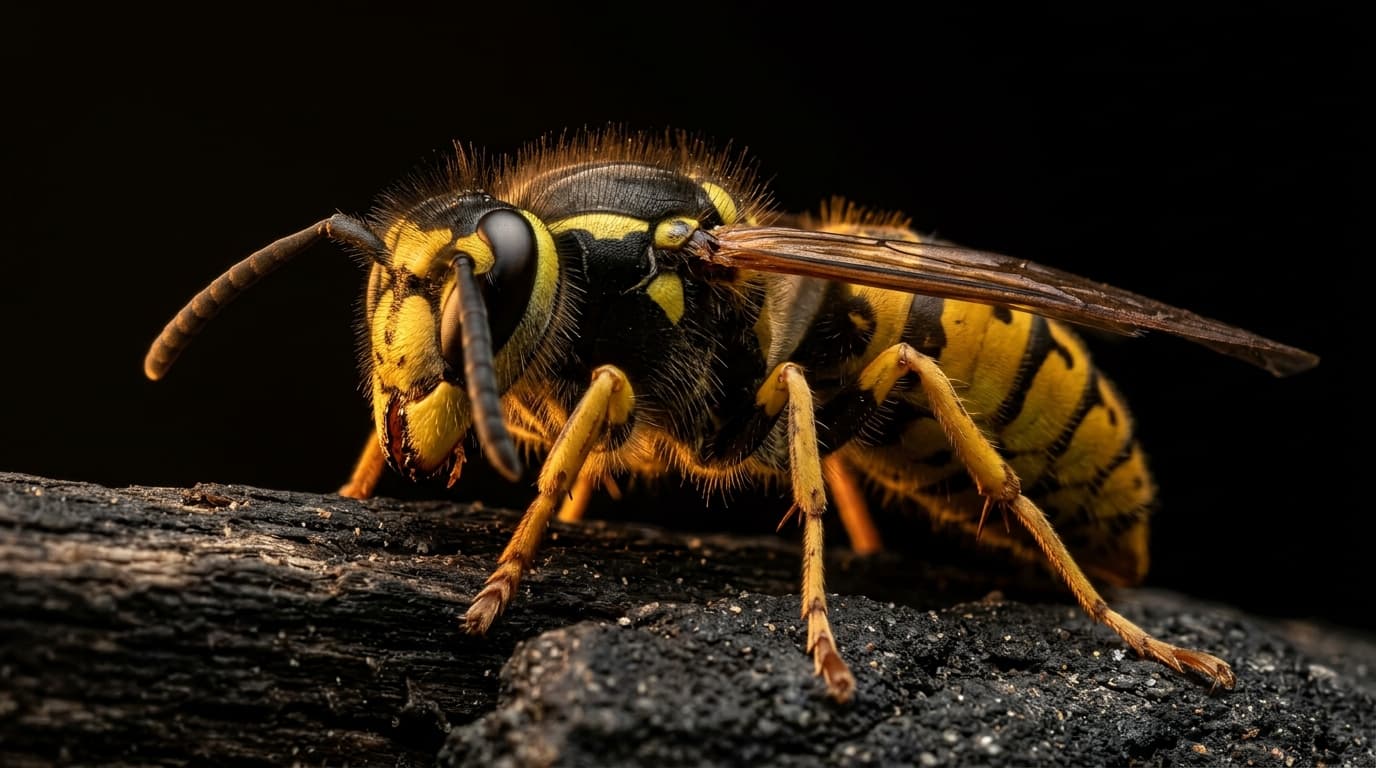
Highly aggressive when disturbed. Unlike bees, they can sting repeatedly and release alarm pheromones triggering mass attacks. Ground nests can contain 5,000+ workers by late summer.
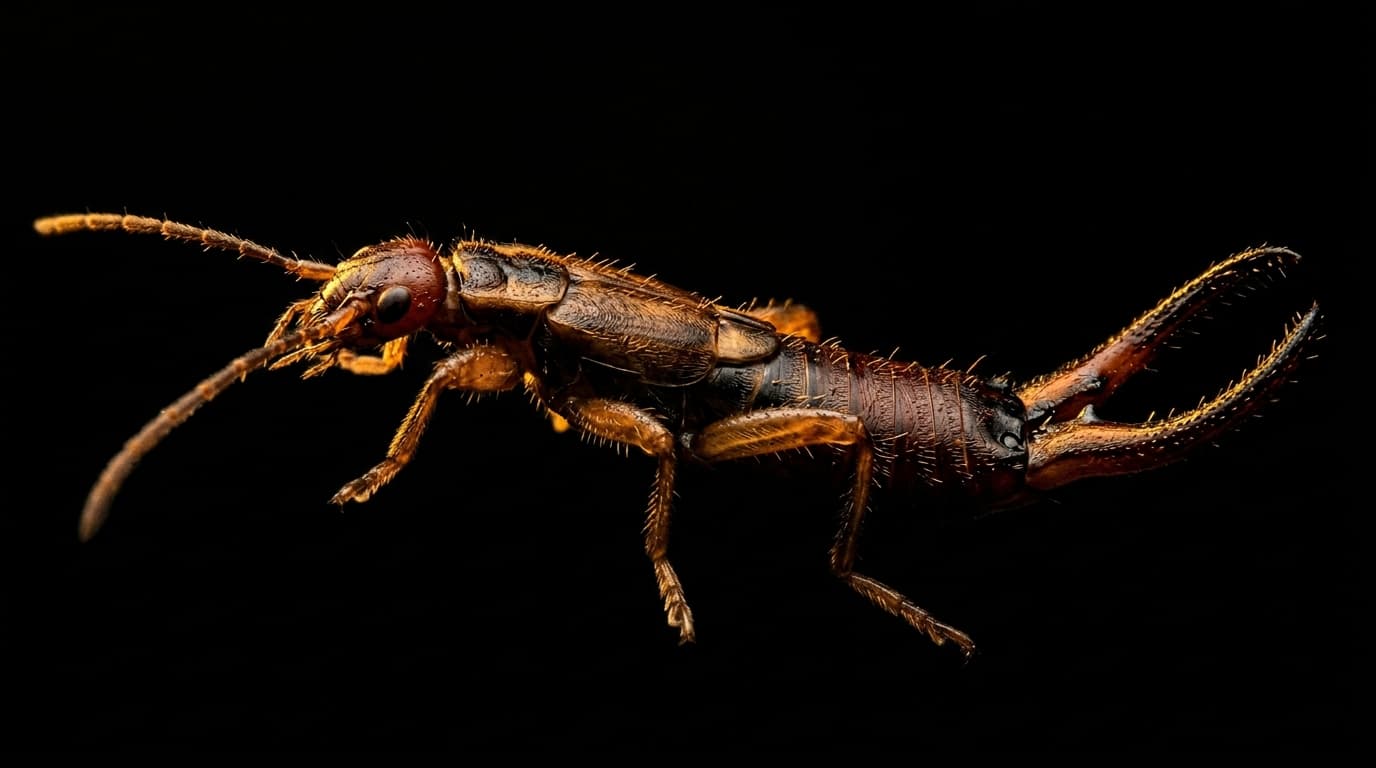
Recognized by their distinctive rear pincers. While not dangerous, they invade in large numbers, damage garden plants, and create an unsettling presence throughout kitchens and bathrooms.
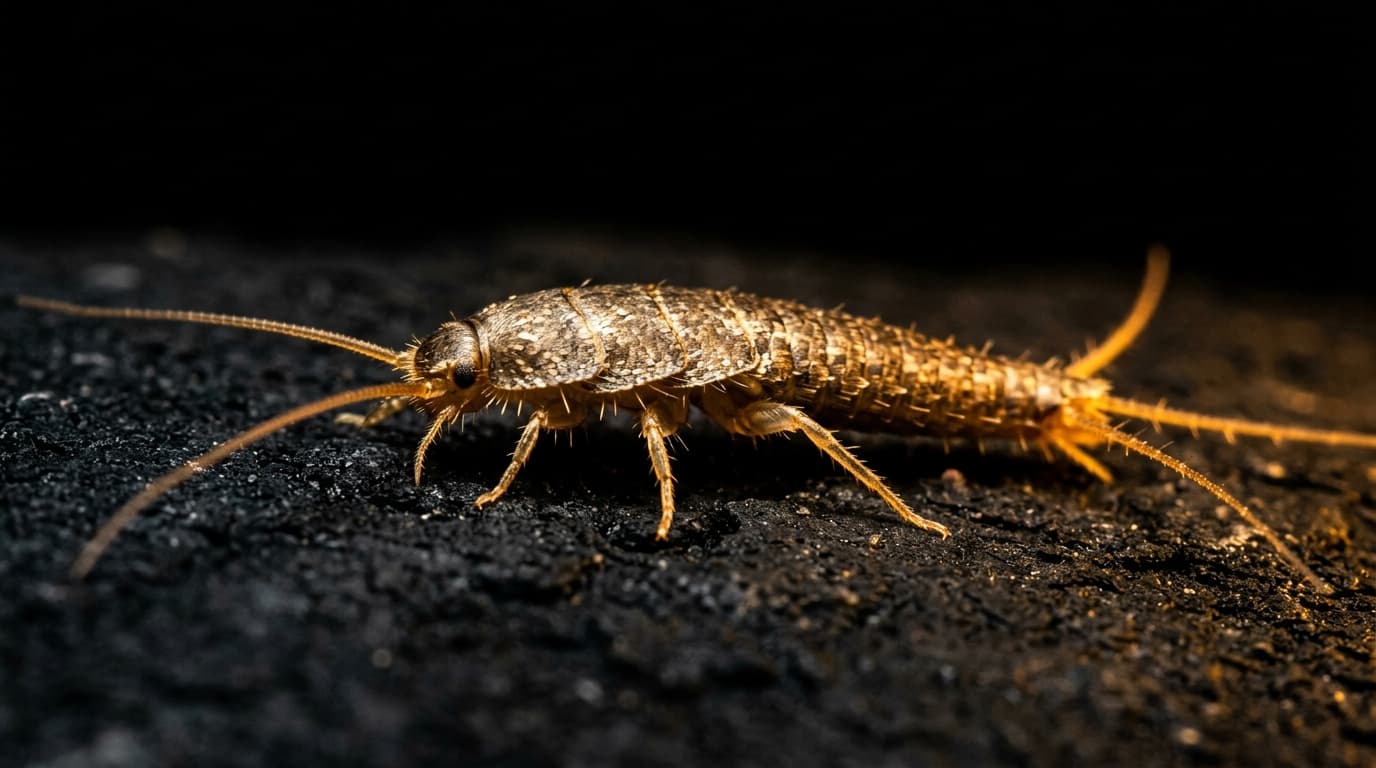
Ancient, wingless insects that thrive in damp, dark spaces. They destroy books, wallpaper, clothing, and stored food. Their presence often signals excess moisture and humidity issues.
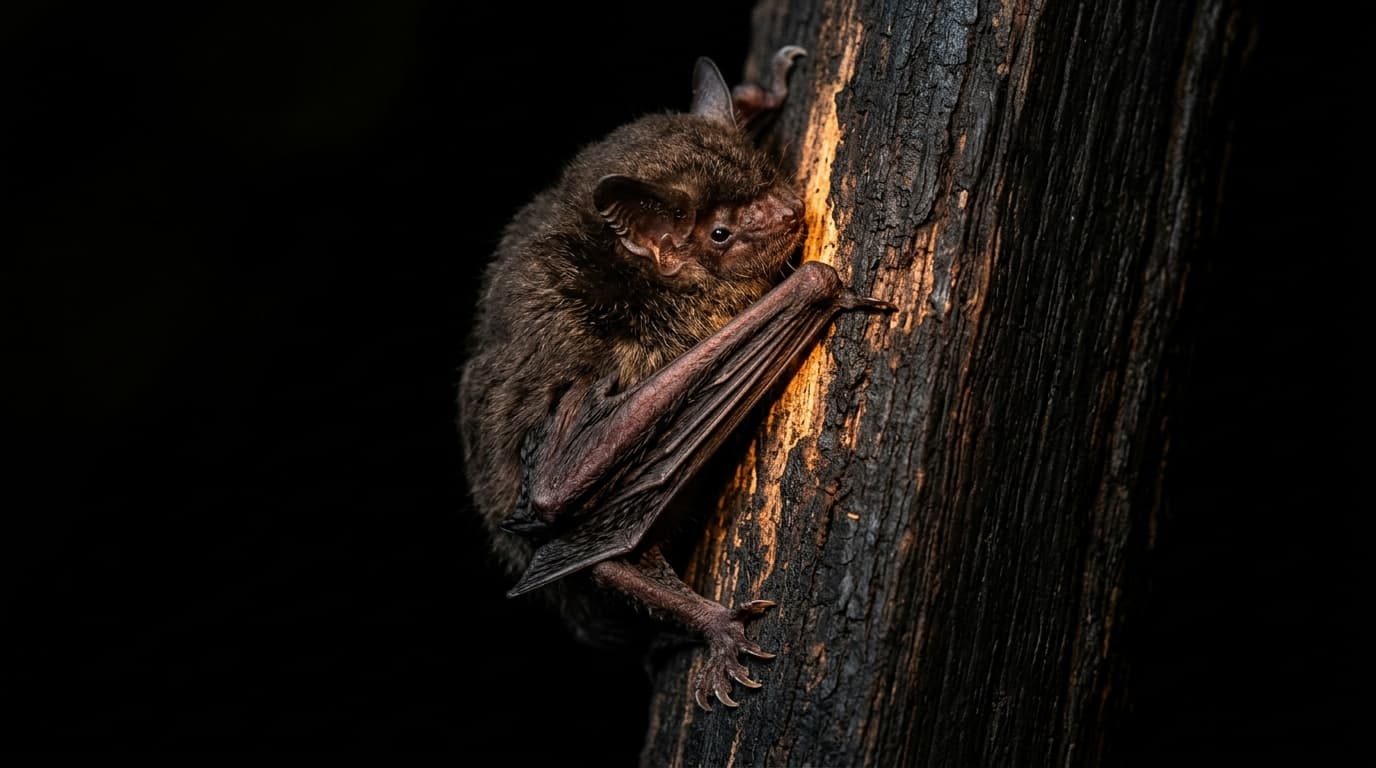
Beneficial for the ecosystem but dangerous in your home. Bat guano accumulates rapidly in attics, creating serious respiratory hazards. Rabies risk requires professional handling only.
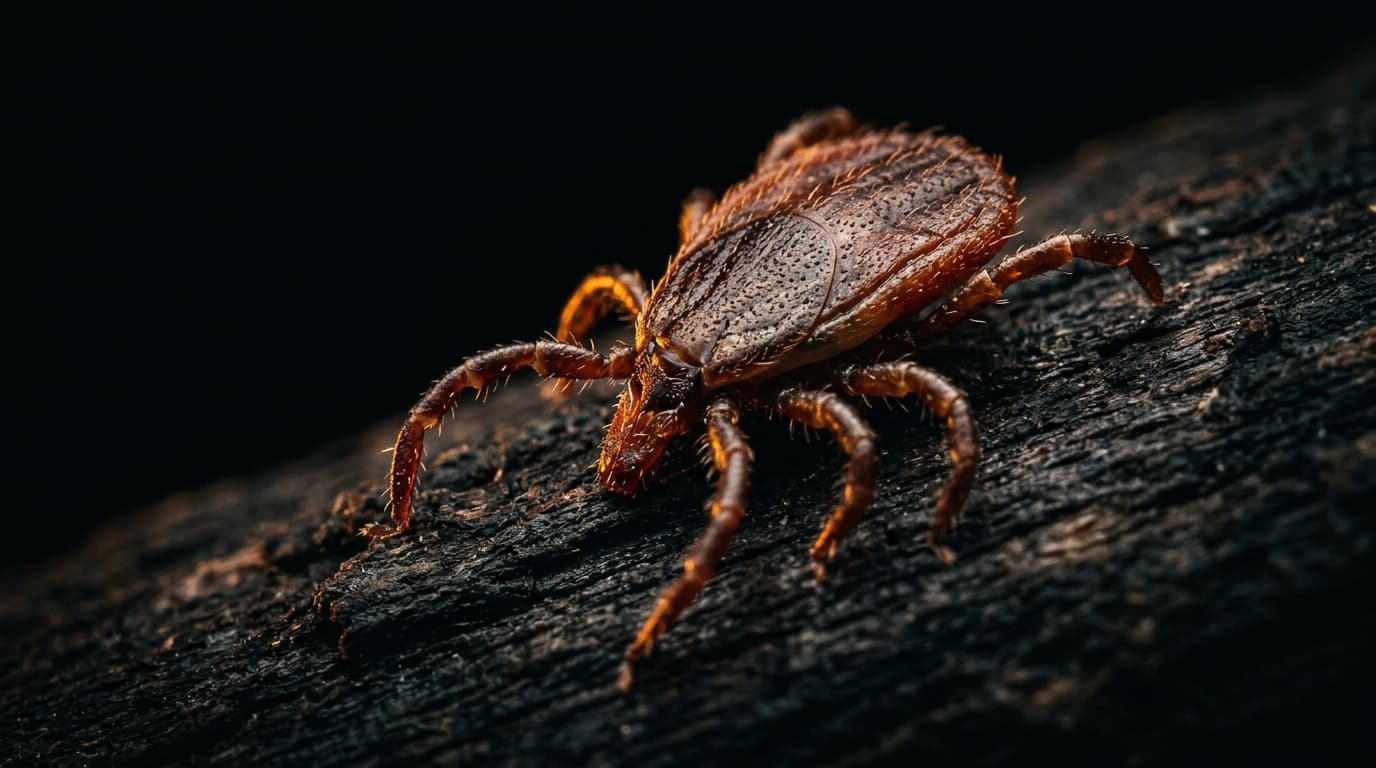
Oregon's Western Blacklegged Tick is the primary vector of Lyme disease in the Pacific Northwest. Found in tall grass, brush, and wooded areas — a serious health threat to people and pets.
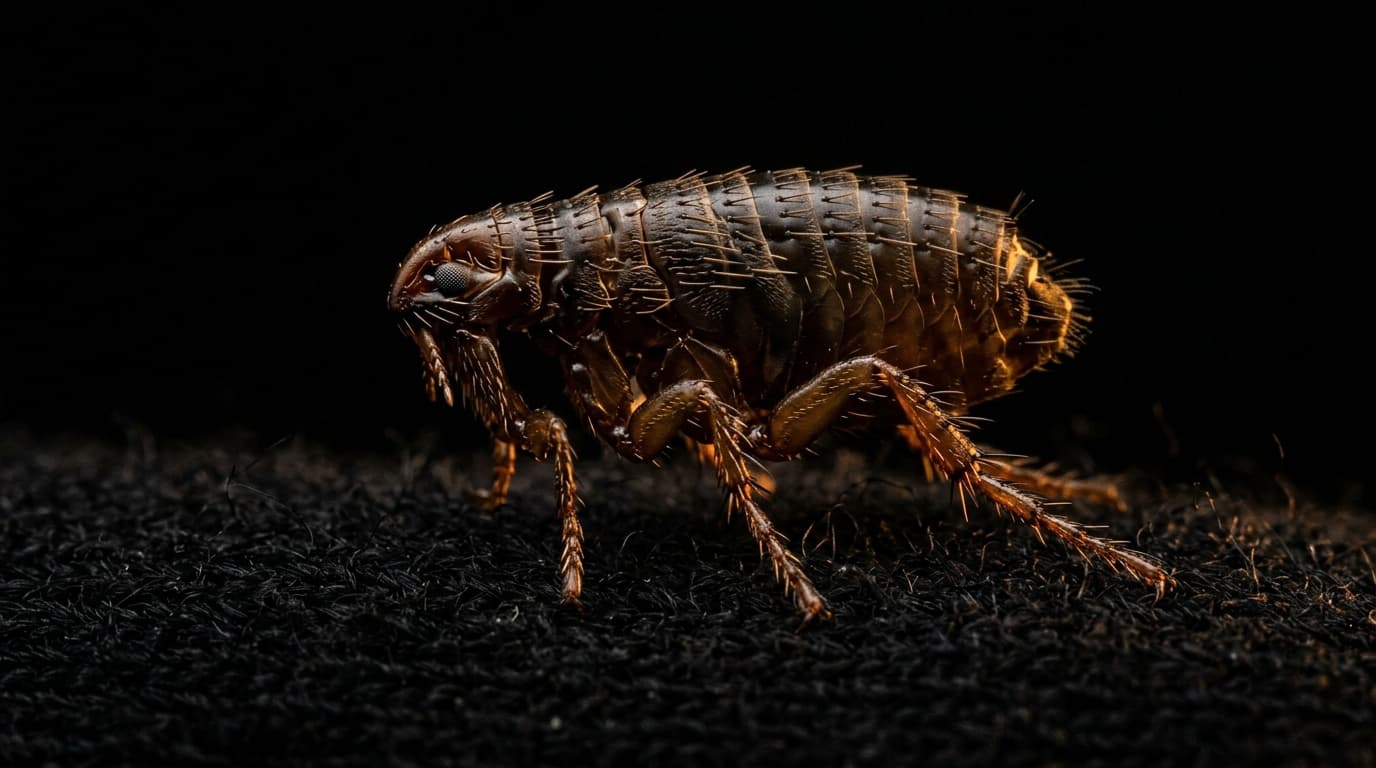
Cat and dog fleas infest homes rapidly and are notoriously difficult to eliminate without professional treatment. They bite humans and pets, cause allergic reactions, and can transmit tapeworms.
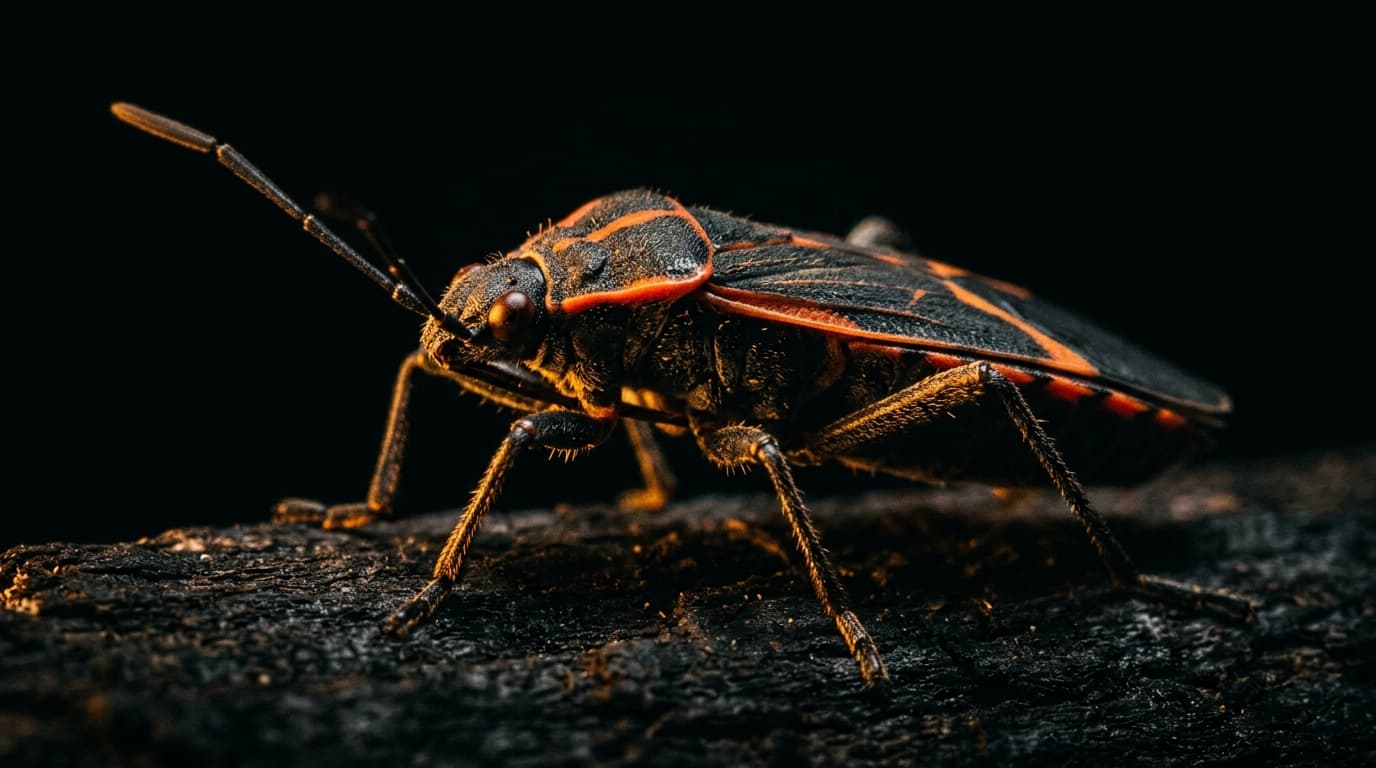
Distinctive black and red insects that invade homes by the hundreds in fall seeking warmth. Harmless to humans but leave staining excrement and become an extreme nuisance indoors.
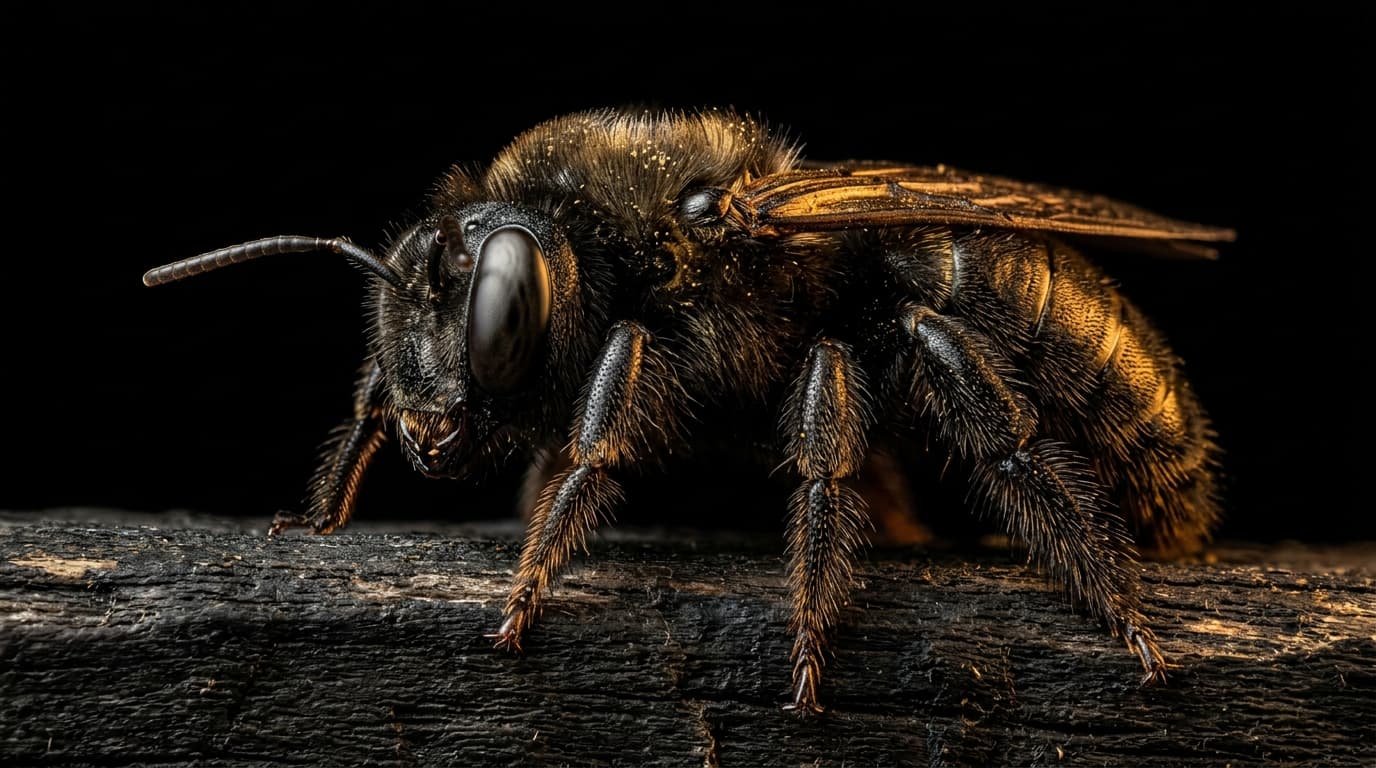
Large, solitary bees that bore perfectly round holes into unpainted wood — decks, eaves, fascia boards, and siding. Year after year of nesting causes cumulative structural damage.
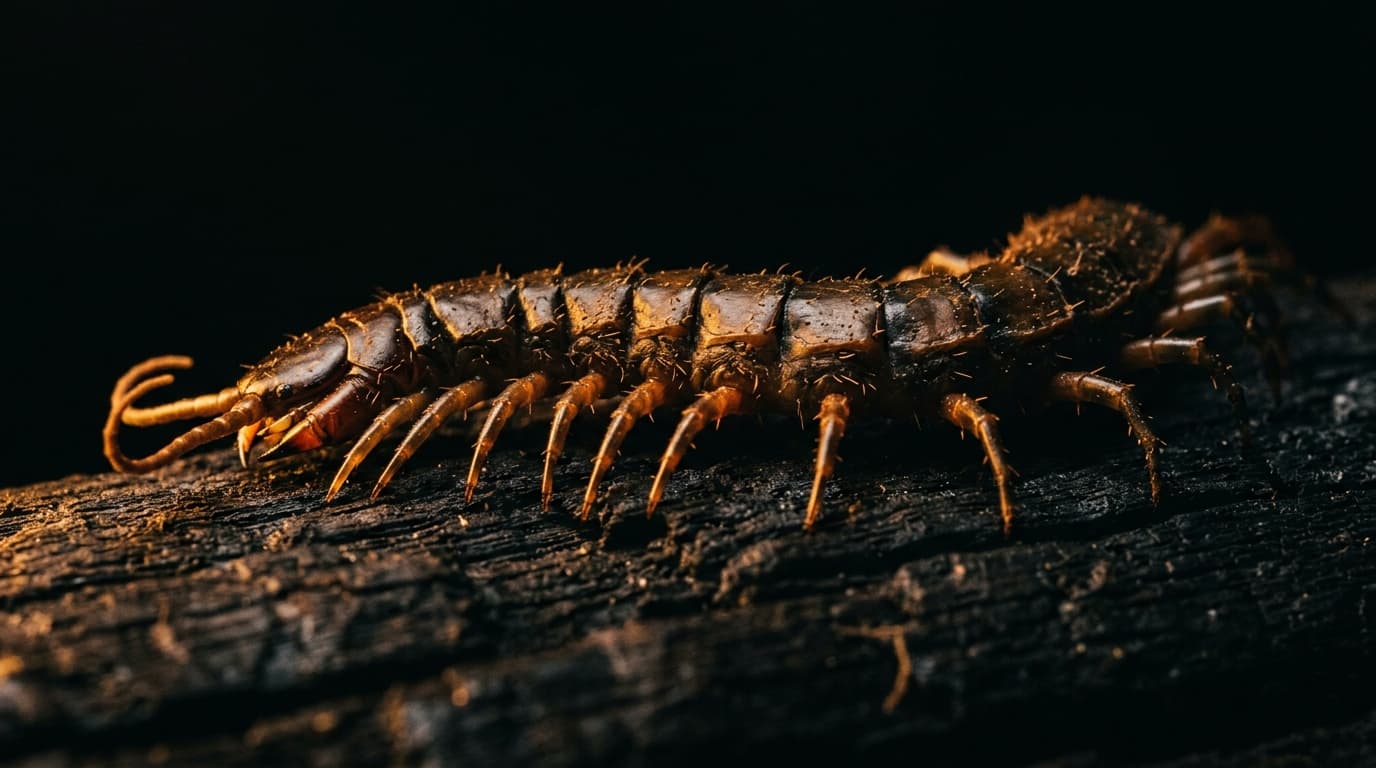
Fast-moving, many-legged predators that hunt other insects inside your home. Their presence signals a broader insect and moisture problem worth addressing.
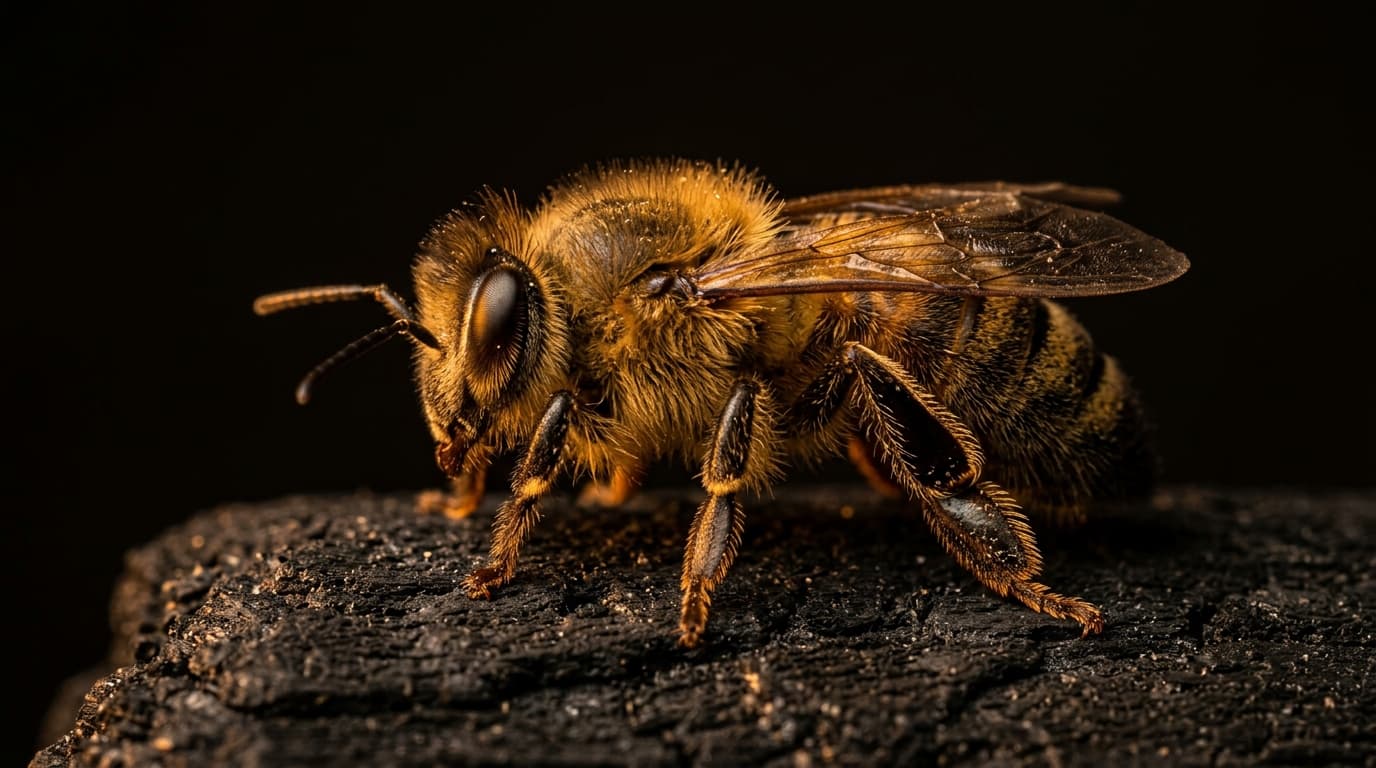
Vital pollinators that become a serious problem when they establish hives inside wall voids, attics, or chimneys. Established colonies require professional removal — never extermination.
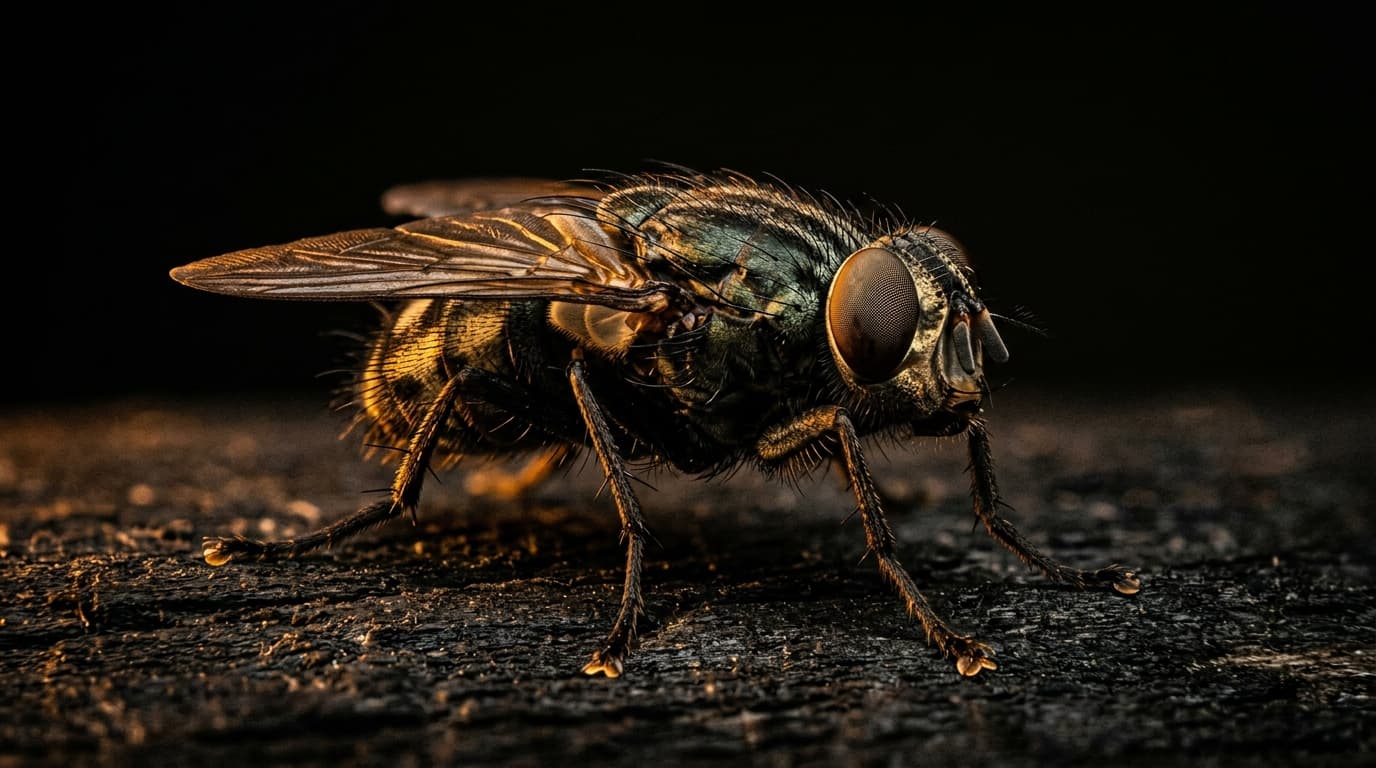
Far more than a nuisance — house flies carry and transmit over 100 pathogens. They vomit digestive fluids onto every surface they land on, contaminating food instantly.
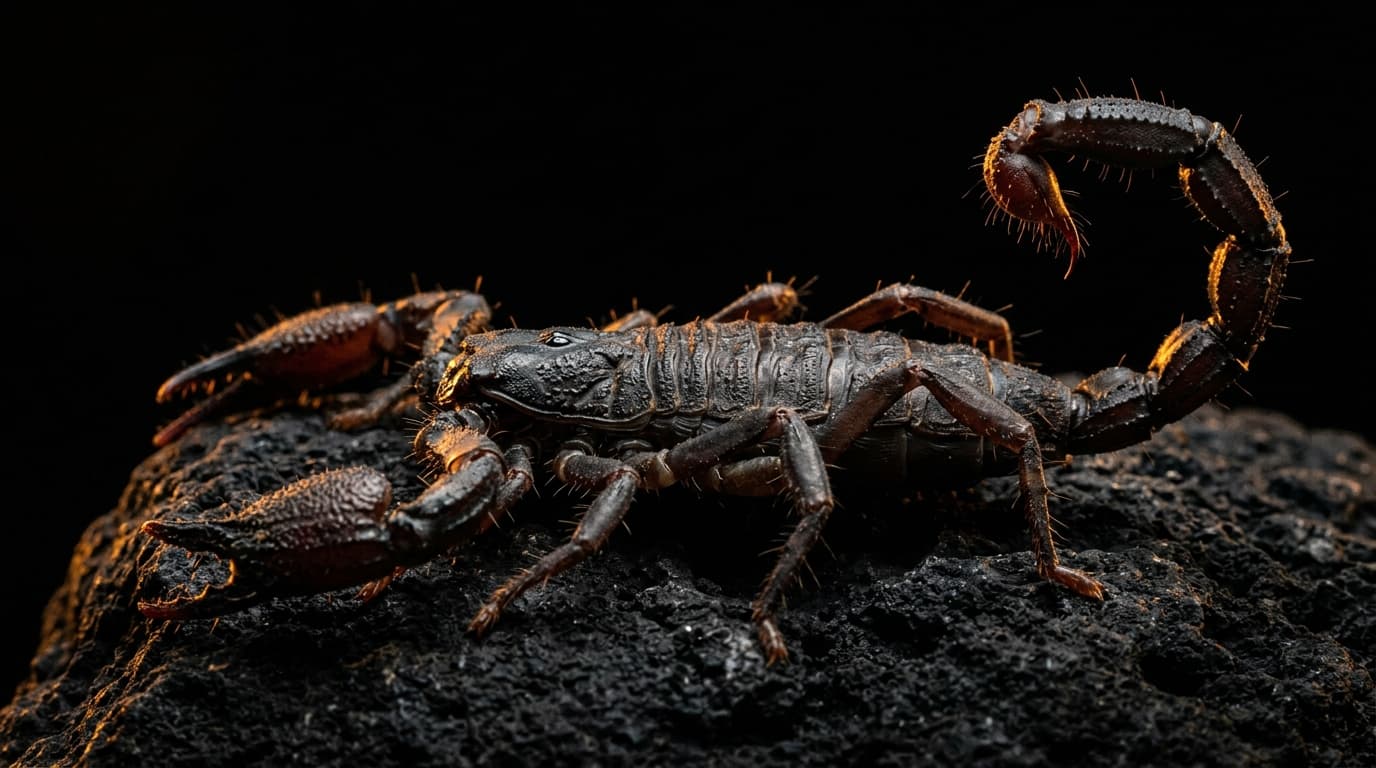
Rarely encountered in western Oregon, the Northern Scorpion is found in dry eastern regions. Painful sting but not life-threatening to healthy adults. A hazard when accidentally disturbed indoors.
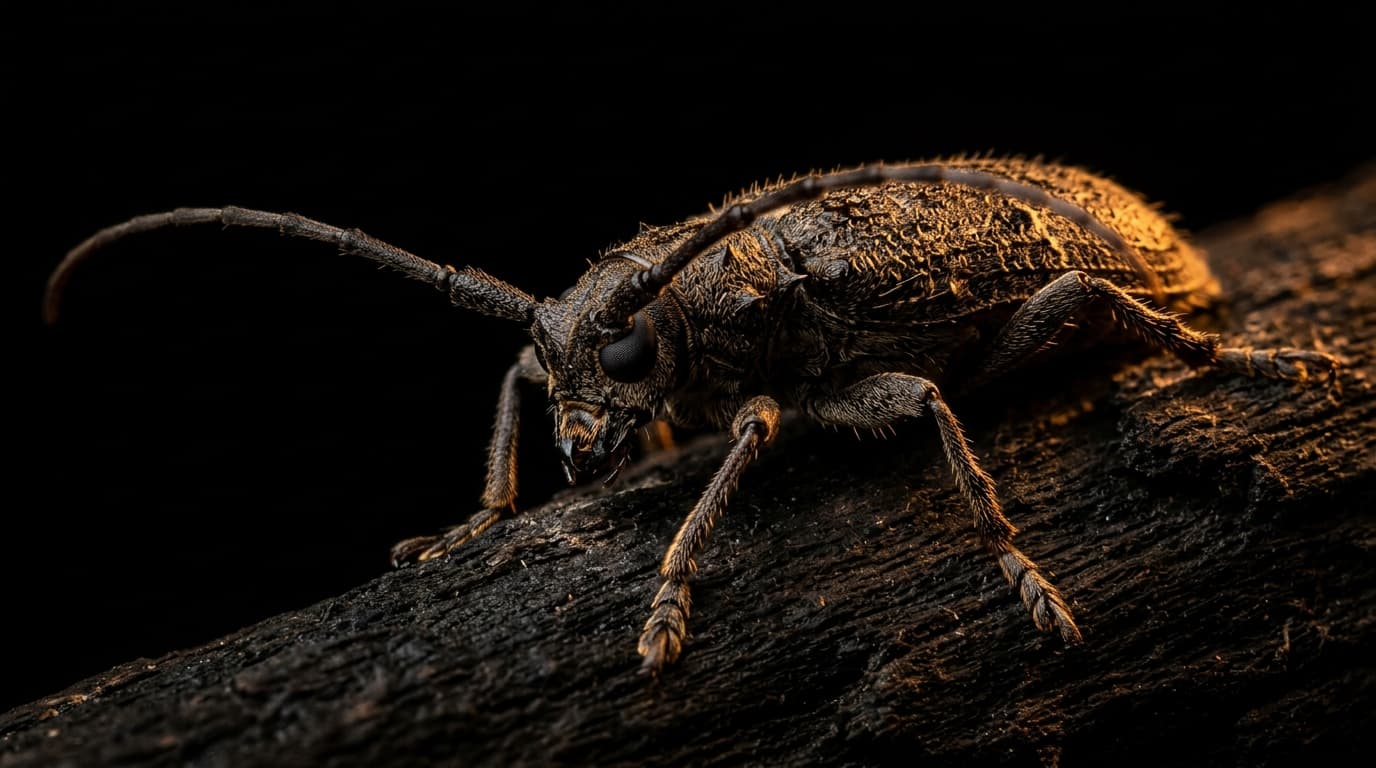
Multiple beetle species silently destroy structural timber, hardwood floors, and furniture from the inside out. Often undetected for years — the first sign is the emergence hole left by the adult.
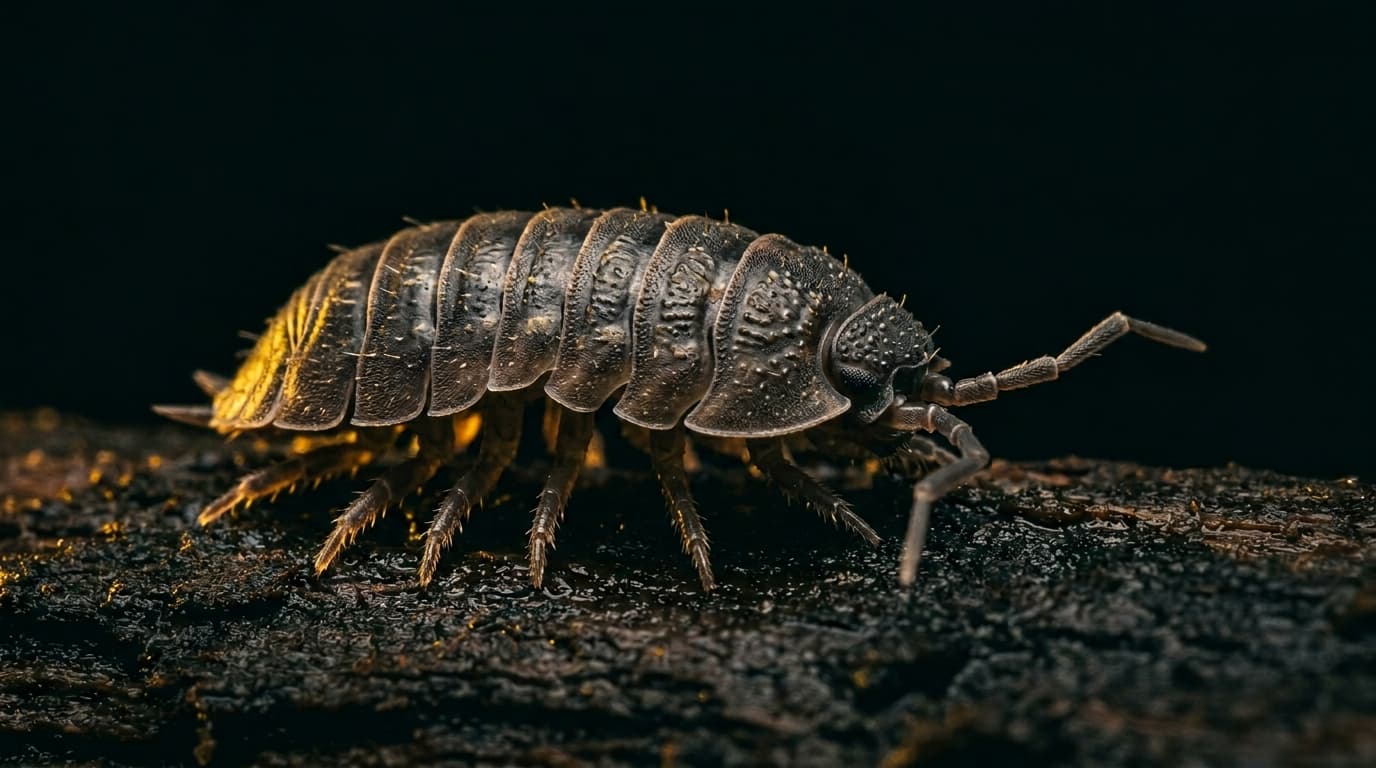
Often called "roly-polies," these are actually crustaceans, not insects. They invade damp basements in large numbers. Harmless themselves, but their presence signals serious moisture problems.
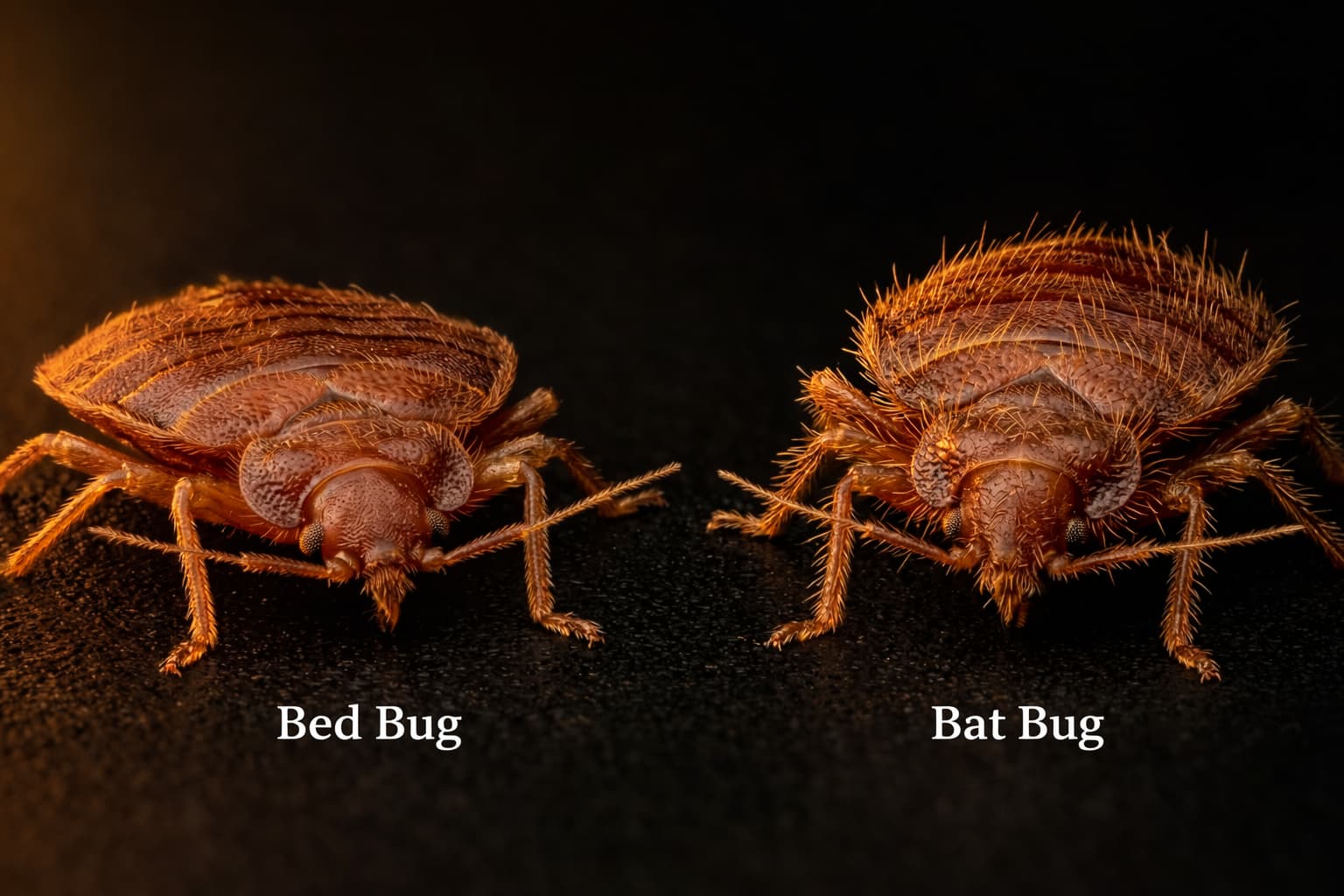
Nearly identical to bed bugs and often misidentified — but bat bugs require a completely different treatment approach. Misdiagnosis leads to repeated failed treatments and ongoing biting.